
Digital Marketing for Essex Businesses: Choosing the Right Channels
Digital Marketing for Essex Businesses: Choosing the Right Channels
When a business wants more enquiries online, the challenge is often deciding where to start. A new website, search engine optimisation, paid adverts and social media can all play a role, but doing everything at once may spread a limited budget too thinly.
SS Digital Marketing works with businesses across Essex on website design and online marketing. The most useful starting point is to identify what customers need to do next—call, request a quote, book an appointment or buy a product—and then choose activity that supports that outcome.
Start with one clear business objective
Before choosing a marketing channel, decide what success should look like. A local trades business may want more suitable quote requests, while an online retailer may be focused on completed purchases. A professional service may need to build trust and encourage visitors to arrange a consultation.
Set a baseline before making changes. Depending on the business, useful measures might include relevant website enquiries, phone calls, completed forms, sales, cost per lead or the proportion of enquiries that become customers. Website visits alone do not show whether marketing is attracting the right people.
Make the website useful before increasing traffic
Marketing is harder to measure if visitors arrive at a confusing or incomplete website. Important information should be easy to find on mobile and desktop, including the services offered, service locations where relevant, pricing guidance if available, contact details and a clear next step. If a site needs a redesign, our guide to affordable web design and SEO services in Essex explains what to consider before commissioning the work.
Review the journey a prospective customer takes. Can they understand what the business does within a few seconds? Is the phone number easy to use on a mobile? Does the enquiry form ask only for information needed to respond? Fixing these issues can be a more sensible first step than increasing advertising spend.
When SEO is a sensible priority
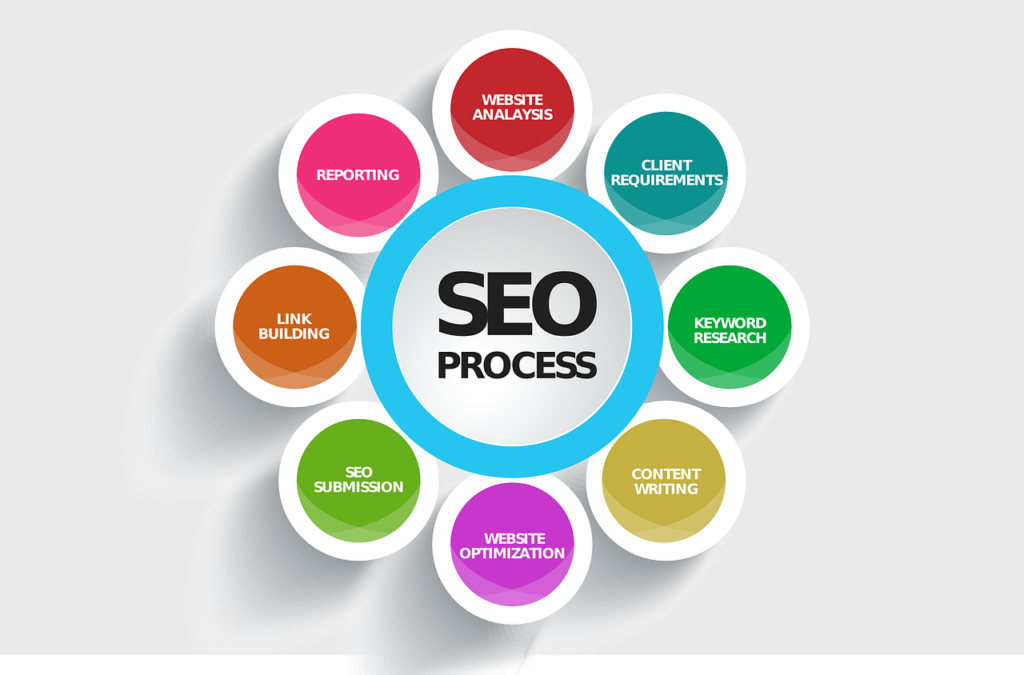
SEO can help search engines discover and understand a website, and can improve its suitability for relevant searches over time. Work may include:
- Checking whether important pages can be crawled and indexed
- Improving page titles, headings, internal links and useful service information
- Understanding the phrases potential customers use when looking for a service
- Improving local business information where location-based searches matter
- Creating genuinely useful pages that answer questions customers actually ask
SEO is not an instant-results channel. Progress depends on the website’s current condition, competition, the quality of improvements and how customers search. Be cautious of guarantees of specific rankings or fixed results by a certain date. For a closer look at the service itself, read our guide to affordable SEO services across the UK.
When paid advertising may help
Paid search or social advertising can put an offer in front of a defined audience while a campaign is running. It can be useful when a business needs to test demand, promote a time-sensitive service or generate traffic to a focused landing page.
Set a test budget and agree how results will be judged before launching. Track the enquiries or sales generated, not just clicks. Check search terms, location targeting, landing-page relevance and the cost of each useful lead. If the website does not explain the offer clearly, paying for more visits may simply increase wasted spend.
Use social media for a defined purpose
Social media can help a business show its work, explain its services, answer common questions and keep in touch with an existing audience. The best platform depends on the customers and the type of service; there is no need for every business to post on every network.
Plan content around customer interests rather than publishing for the sake of activity. Examples include a project explanation, a useful checklist, answers to frequently asked questions or a clear update about a service. Paid social campaigns should have a specific audience and objective, just like search advertising.
Build content around real customer questions
Website pages and articles are most useful when they help a reader make a decision. For example, a service business could explain what an appointment involves, what affects the price, how to prepare, which problems it can address and what information is needed for a quote.
For local pages, make sure each location genuinely matters to the business and add information that is relevant to that area. Simply replacing a town name across near-identical pages is unlikely to help customers choose a provider. Review existing content before creating more pages, and combine or improve material that repeats the same information.
Review results and adjust the plan
Use a regular review to compare activity with the original objective. Look at the quality of enquiries, the pages or campaigns that contributed to them and any barriers customers report. Keep what is useful, test one change at a time where possible, and avoid judging a campaign on a single short period if the volume of data is too small.
SEO, paid advertising, social media and website improvements serve different purposes. A practical plan may combine them, but the right mix depends on budget, customer behaviour and the time available to manage each channel.
Digital marketing support across Essex
SS Digital Marketing lists support for businesses in locations across Essex, including Chelmsford, Colchester, Southend-on-Sea, Basildon, Brentwood, Braintree, Harlow, Clacton-on-Sea, Maldon, Rayleigh, Grays, Witham and Epping. Contact the business to confirm whether the service you need is available for your location.
Frequently asked questions
Should a small business start with SEO or paid advertising?
It depends on the goal, budget and current website. Paid advertising can provide quicker visibility while a campaign runs; SEO is generally a longer-term investment. Some businesses test both, provided results can be tracked.
How can I tell whether digital marketing is working?
Choose measures linked to the business objective, such as qualified enquiries, sales or booked appointments. Compare results with a baseline and review lead quality as well as volume.
Do I need to use every social media platform?
No. Focus on platforms that suit your audience and that you can maintain with useful, relevant content.
Contact SS Digital Marketing
To discuss website design or digital marketing for an Essex business, visit ssdigitalmarketing.co.uk.
Email: info@ssdigitalmarketing.co.uk
Phone: 07984 146336